Companion Plants That Will Help Your Brassicas Thrive
Companion Plants That Will Help Your Brassicas Thrive
Brassicas are a diverse group of vegetables that includes cabbage, broccoli, cauliflower, Brussels sprouts, kale, and collard greens. They are all members of the mustard family and share some common characteristics, including a strong flavor and a need for cool weather to grow.
One way to help your brassicas thrive is to plant them with companion plants. Companion planting is the practice of planting different types of plants together in order to benefit each other. Some companion plants can help to repel pests, attract beneficial insects, or improve the soil quality.
Here are some of the best companion plants for brassicas:
- Alliums: Alliums, such as onions, garlic, and chives, are known for their insect-repelling properties. They can help to keep away cabbage moths, cabbage loopers, and other pests that can damage brassicas.
- Beans: Beans are nitrogen-fixing plants, which means they can add nitrogen to the soil. This can help to improve the growth and health of your brassicas.
- Carrots: Carrots can help to repel nematodes, which are microscopic worms that can damage the roots of brassicas.
- Cucumbers: Cucumbers can help to shade the soil around brassicas, which can help to keep the soil cool and moist.
- Herbs: Many herbs, such as basil, mint, and rosemary, can help to repel pests and attract beneficial insects.
- Lettuce: Lettuce can be planted as a trap crop for pests. Pests are attracted to the lettuce, but they will eventually move on to the brassicas.
- Marigolds: Marigolds are another great insect-repelling plant. They can help to keep away aphids, whiteflies, and other pests.
- Nasturtiums: Nasturtiums are not only beautiful flowers, but they are also edible. They can help to repel pests and attract beneficial insects.
- Peas: Peas are another nitrogen-fixing plant that can help to improve the soil quality for your brassicas.
- Spinach: Spinach can be planted as a companion plant for brassicas because it grows quickly and can help to fill in the gaps between the slower-growing brassicas.
When choosing companion plants for your brassicas, it is important to consider the size and growth habit of the plants. For example, you would not want to plant a tall plant, such as sunflowers, next to a short plant, such as cabbage. The tall plant would cast too much shade on the cabbage, which could stunt its growth.
You should also consider the climate in your area when choosing companion plants. Some companion plants, such as marigolds, are more heat-tolerant than others. If you live in a warm climate, you may want to choose companion plants that are also heat-tolerant.
By planting the right companion plants with your brassicas, you can help to improve their growth and health. You can also help to deter pests and attract beneficial insects. With a little planning, you can enjoy a bountiful harvest of brassicas from your garden.
Brassicas, also known as the cabbage family, are a group of vegetables that are closely related. They include broccoli, cauliflower, cabbage, Brussels sprouts, and kale. These vegetables are all susceptible to a number of pests and diseases, so it's important to plant them with companion plants that can help to deter these problems.
Some good companion plants for brassicas include:
- Alliums: Onions, garlic, and chives are all great at repelling pests like cabbage moths and cabbage loopers.
- Marigolds: Marigolds have a strong scent that can help to repel a variety of pests, including aphids, whiteflies, and nematodes.
- Nasturtiums: Nasturtiums are another great choice for companion planting with brassicas. They not only repel pests, but they also attract beneficial insects like ladybugs and hoverflies.
- Legumes: Beans, peas, and lentils are all nitrogen-fixing plants, which means they can help to improve the soil quality for your brassicas.
- Herbs: Herbs like rosemary, sage, and lavender can also help to deter pests and diseases.
If you're looking for more information about companion planting with brassicas, I recommend visiting Gardenia Inspiration. This website has a wealth of information on the topic, including a list of specific companion plants for each type of brassica.
FAQ of companion plant brassicas
Q: What are the benefits of companion planting brassicas?
A: There are many benefits to companion planting brassicas. Some of the most common benefits include:
- Attracting beneficial insects: Many flowers, such as nasturtiums and yarrow, attract beneficial insects such as ladybugs and lacewings, which help to control pests.
- Reducing pests: Some plants, such as garlic and chives, have strong scents that repel pests such as aphids and cabbage moths.
- Improving soil fertility: Legumes, such as peas and beans, are nitrogen-fixing plants, which means they can add nitrogen to the soil. This can benefit other plants in the garden, including brassicas.
- Distracting pests: Some plants, such as marigolds, are sacrificial plants. Pests are attracted to their bright colors and strong scents, which can help to protect other plants in the garden.
- Providing shade: Tall brassicas, such as broccoli and kale, can provide shade for shorter plants, such as lettuce and spinach. This can help to protect these plants from the sun and heat.
Q: What are some good companion plants for brassicas?
A: Some good companion plants for brassicas include:
- Asparagus: Asparagus is a perennial plant that can help to improve soil fertility.
- Beans: Beans are nitrogen-fixing plants, which means they can add nitrogen to the soil.
- Carrots: Carrots have a strong scent that can repel pests such as cabbage moths.
- Celery: Celery has a strong scent that can repel pests such as cabbage moths.
- Cucumbers: Cucumbers release a chemical that can deter pests such as aphids.
- Garlic: Garlic has a strong scent that can repel pests such as aphids and cabbage moths.
- Herbs: Many herbs, such as basil, chives, and mint, can help to attract beneficial insects and deter pests.
- Marigolds: Marigolds are sacrificial plants that can help to protect other plants from pests.
- Nasturtiums: Nasturtiums are sacrificial plants that can help to protect other plants from pests.
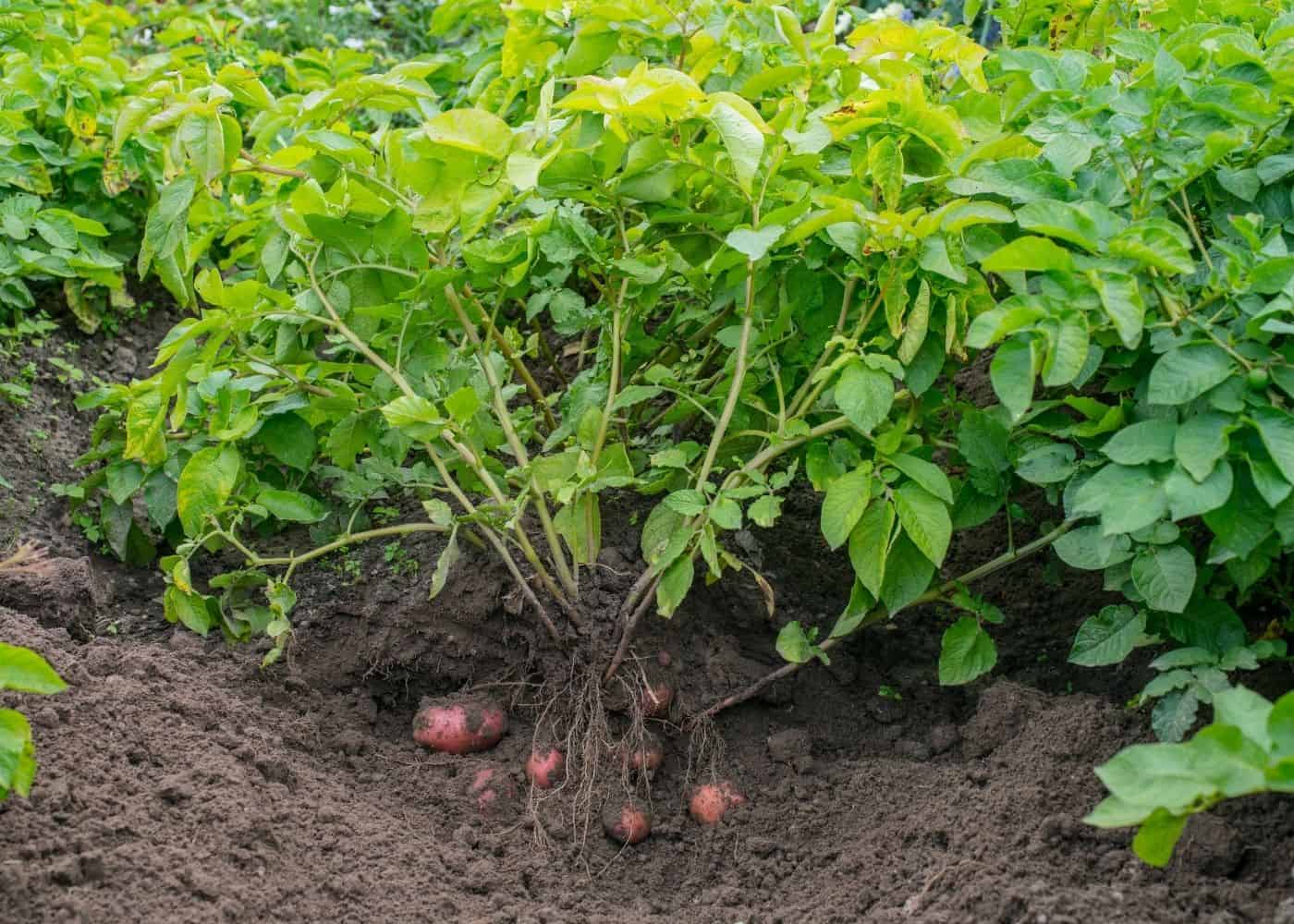
- Potatoes: Potatoes release a chemical that can deter pests such as cabbage moths.
- Spinach: Spinach grows well in the shade, which can be beneficial to tall brassicas.
- Yarrow: Yarrow attracts beneficial insects such as ladybugs and lacewings.
Q: What are some bad companion plants for brassicas?
A: Some bad companion plants for brassicas include:
- Fennel: Fennel can compete with brassicas for water and nutrients.
- Kale: Kale can suppress the growth of other brassicas.
- Lettuce: Lettuce can attract pests such as slugs and snails.
- Onions: Onions can stunt the growth of brassicas.
- Peas: Peas can compete with brassicas for water and nutrients.
- Spinach: Spinach can suppress the growth of other brassicas.
Q: How do I plant brassicas with their companion plants?
A: When planting brassicas with their companion plants, it is important to consider the size and growth habits of each plant. For example, tall brassicas, such as broccoli and kale, should be planted on the north or west side of the garden so that they do not shade shorter plants. Companion plants that attract beneficial insects should be planted near brassicas that are susceptible to pests.
Image of companion plant brassicas
- Marigolds help to repel pests like cabbage moths and aphids.
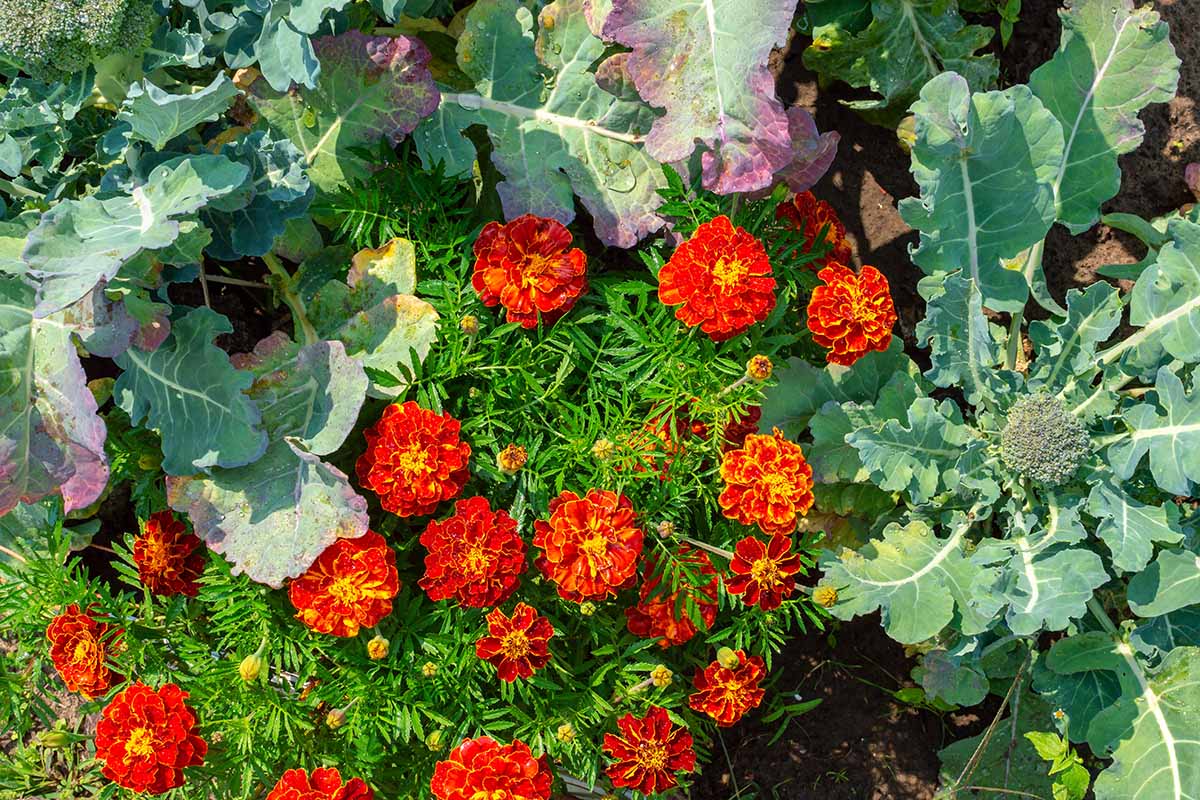
- Nasturtiums attract beneficial insects like ladybugs and hoverflies, which prey on pests.

- Cucumbers help to suppress the growth of clubroot, a soil-borne disease that can damage brassicas.

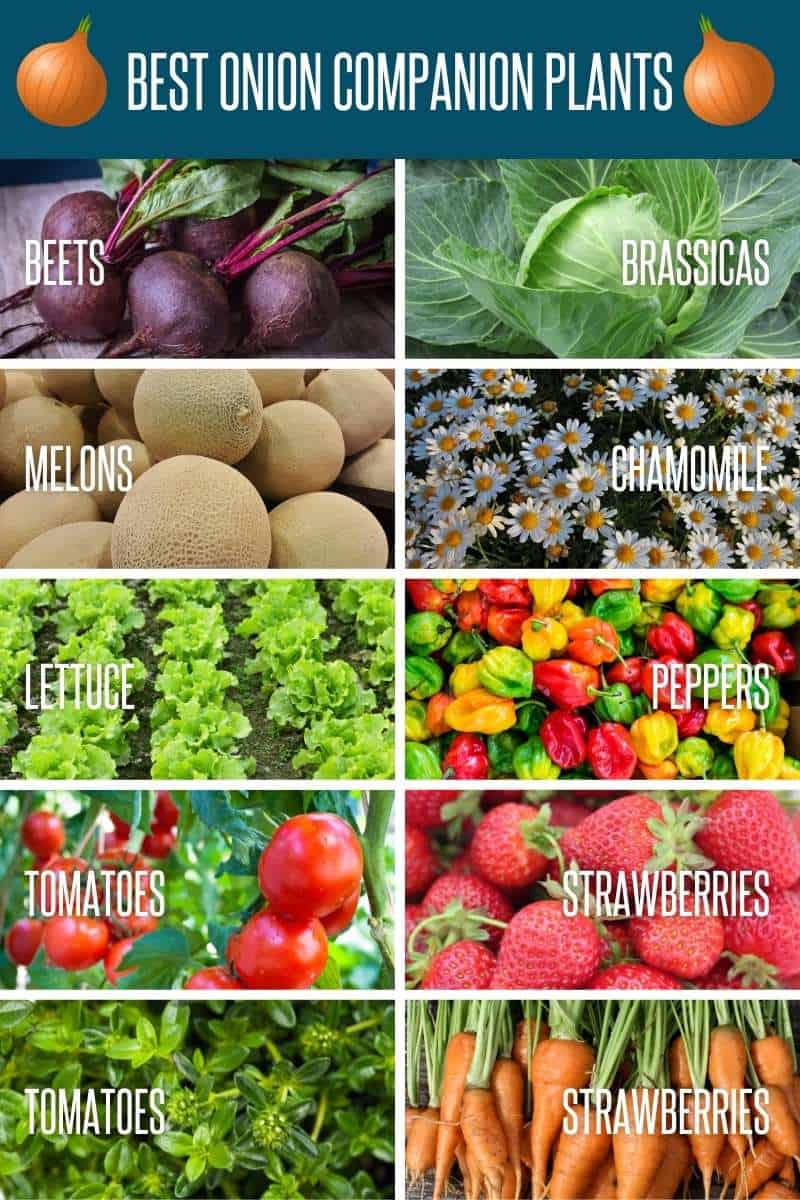
- Onions and garlic help to repel root maggots, which can be a problem for brassicas.
- Potatoes help to suppress the growth of blackleg, a bacterial disease that can damage brassicas.

Post a Comment for " Companion Plants That Will Help Your Brassicas Thrive"